Solutions that fit the real world: integration, monitoring, evidence, action
An overview of our products for security, data, documents, and AI, designed to integrate seamlessly into business processes.



Our Products

From a Dependency Map to Priorities: Risks, Remedies, and Reporting
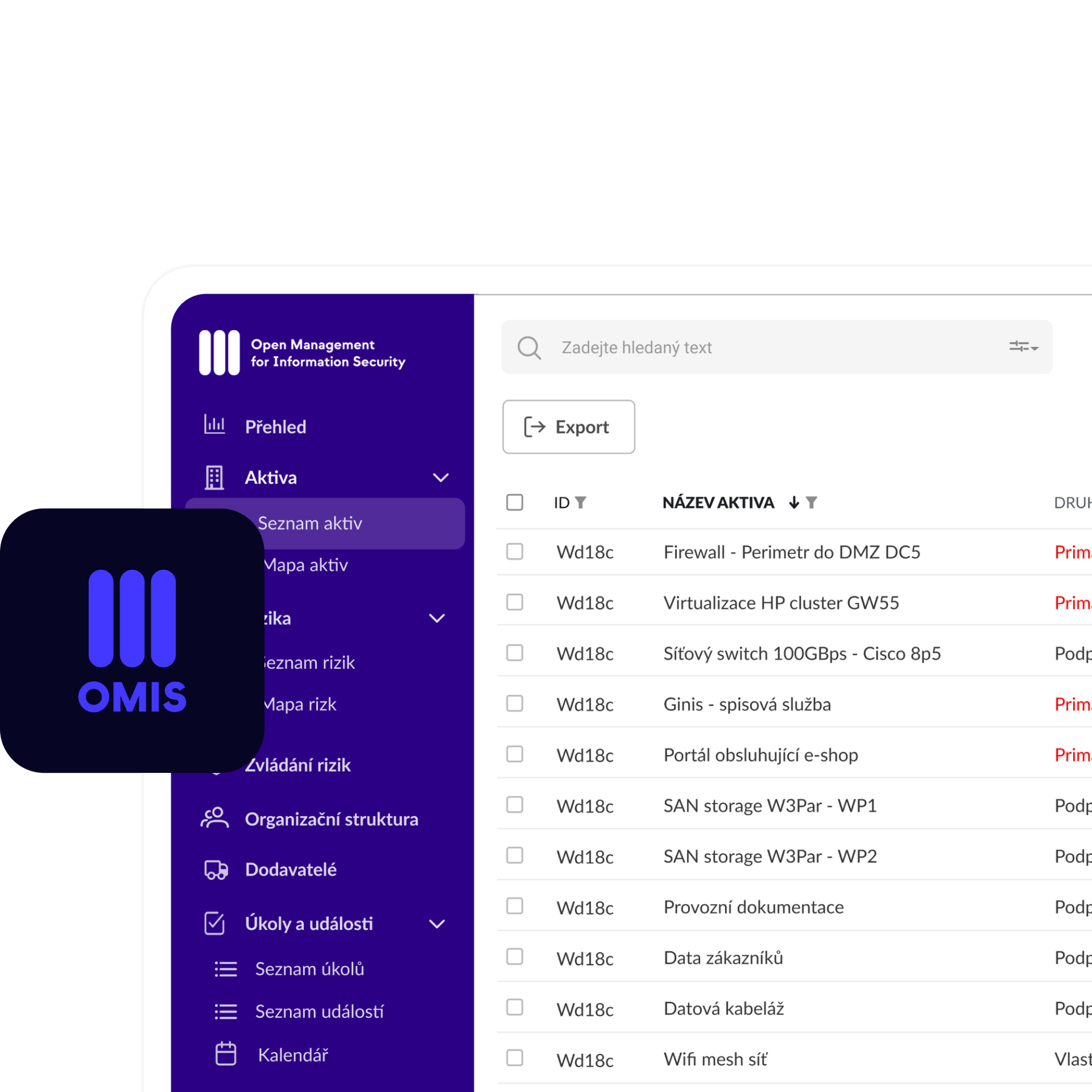
OMIS translates cybersecurity into clear, actionable management: it identifies risks, impacts, responsibilities, and follow-up measures. The risk assessment, remediation plan, and ongoing outputs for audits and standards are all based on the asset and dependency map.

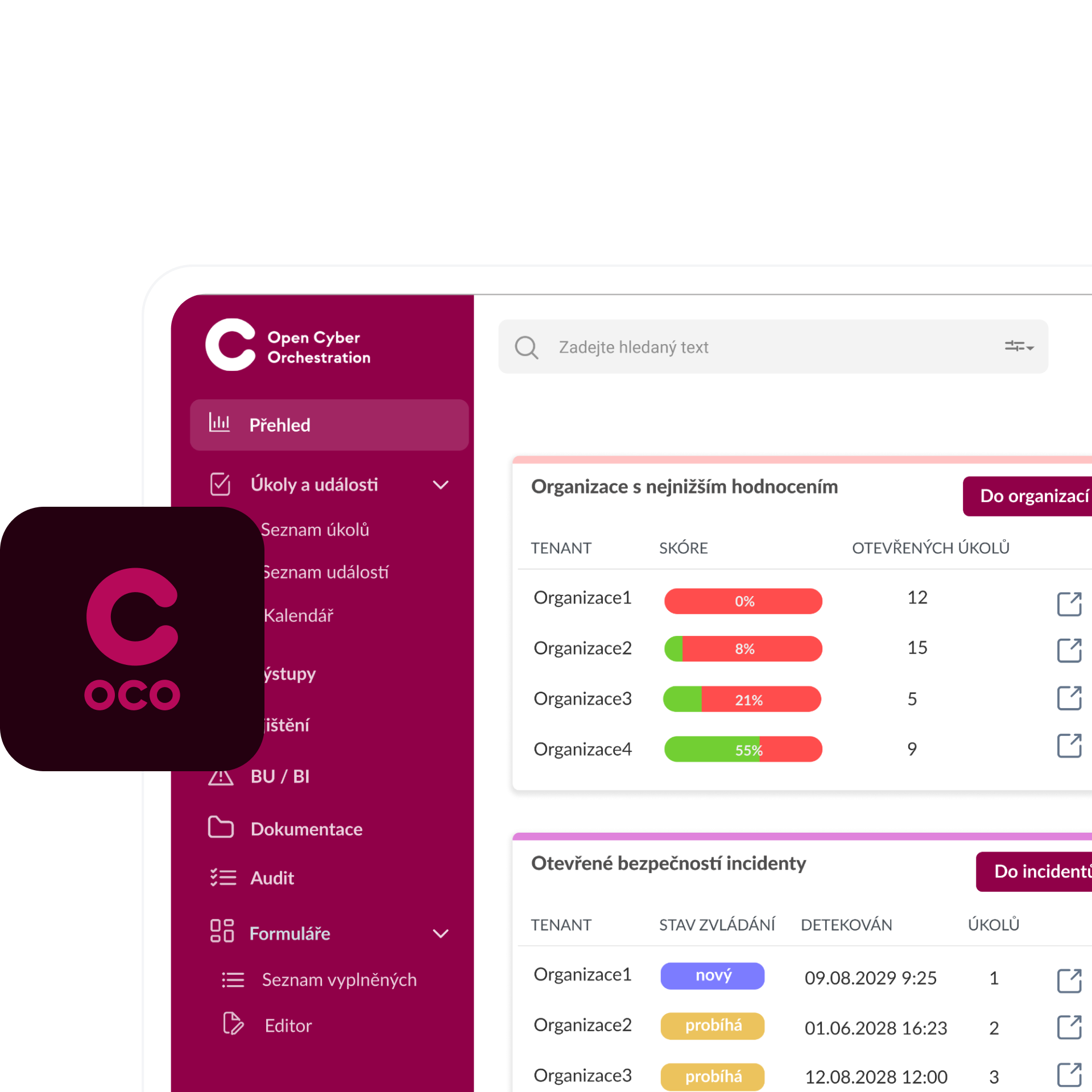
O(K)O for Your Security - Orchestration of Tasks, Incidents, and Remedies Across Organizations
OCO manages cybersecurity and compliance across multiple organizations from a single platform. It tracks role requirements, deadlines, and incidents; automates tasks and data collection; integrates with local tools; and provides management with a comprehensive overview as well as documentation for audits and regulatory compliance.

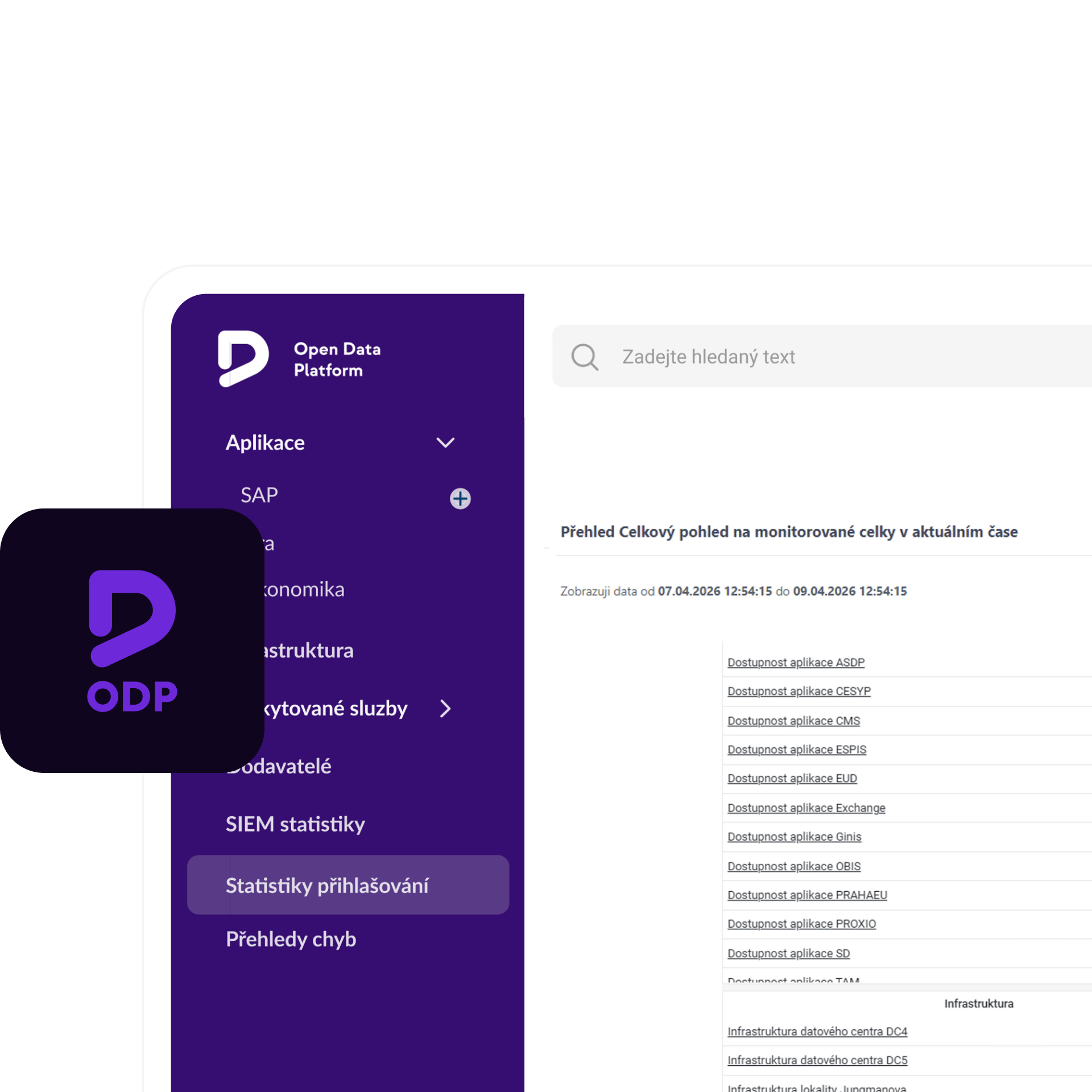
Technical data all in one place. Quickly identify the cause of the problem.
ODP collects and consolidates logs, metrics, events, and other technical data across the IT environment. It helps you identify the root cause of issues more quickly, analyze correlations in a single location, and feed data into dashboards, BI tools, and downstream systems.

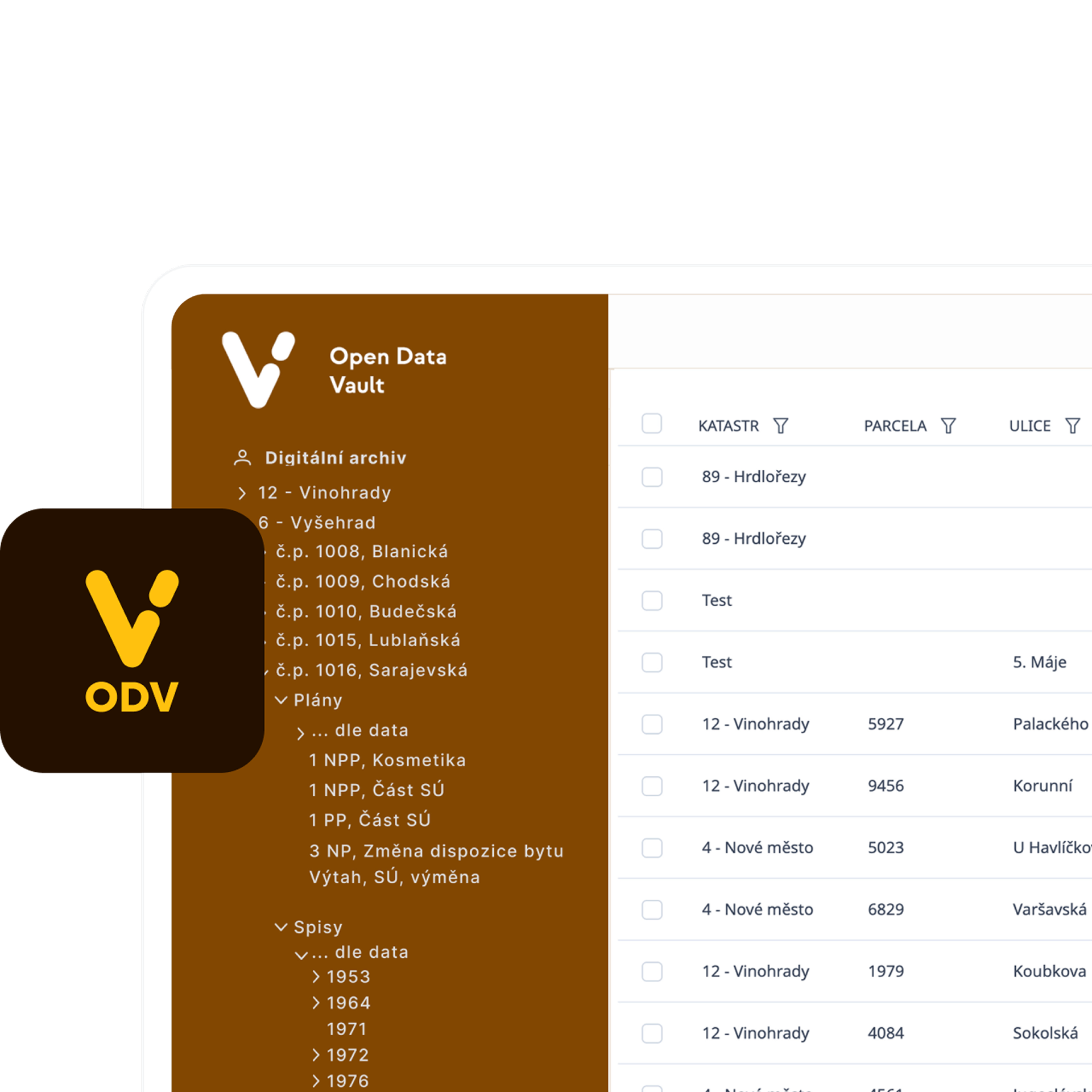
A central repository for documents, including rules, metadata, and audit trails
ODV is a secure document repository featuring access control, metadata, full-text search, and audit trails. It enables both internal and external sharing, allows for the configuration of rules based on document type, and provides a record of document activity for auditing purposes.

Custom applications integrated with your data and systems
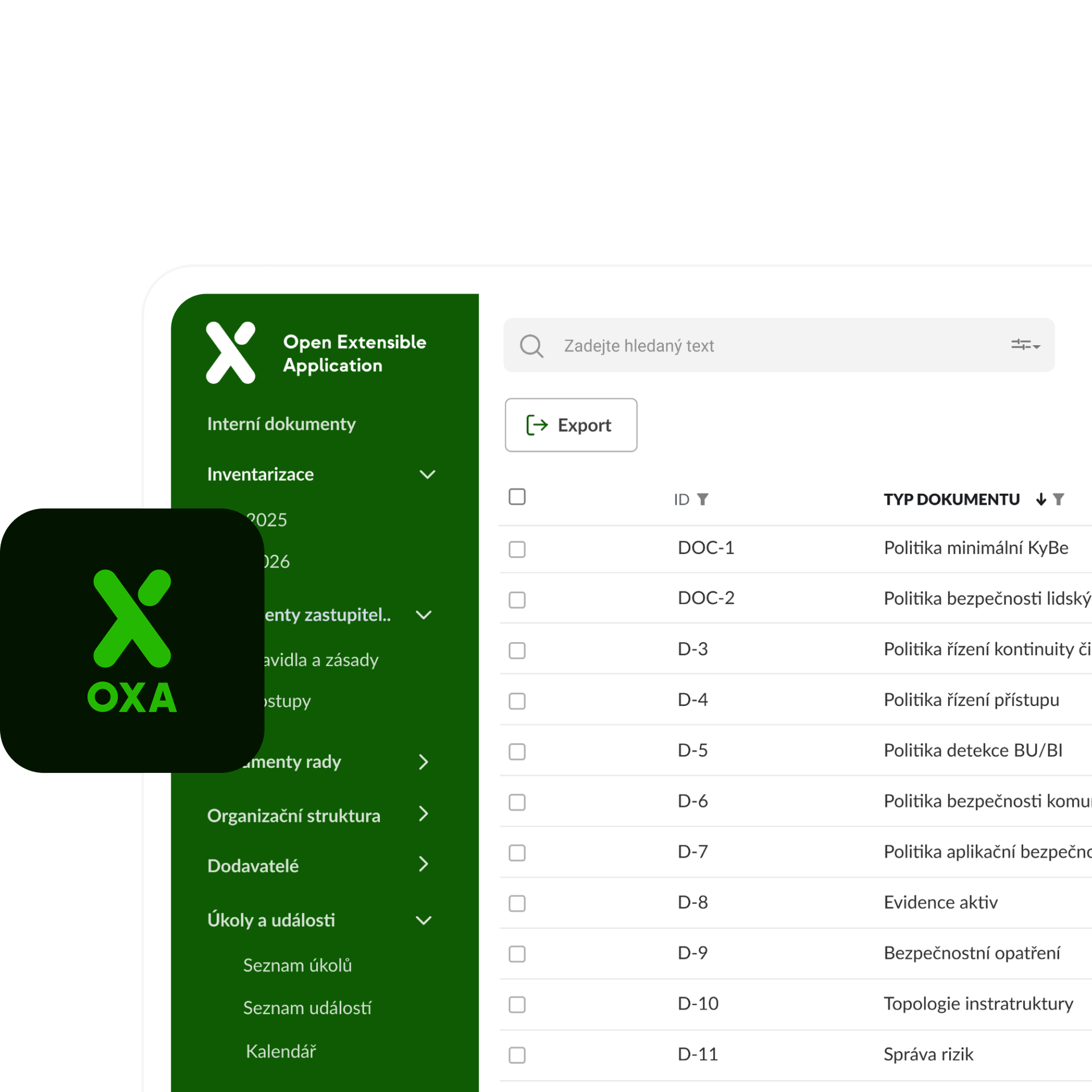
OXA are business and operational applications designed to fit your processes and integrate with your existing systems. They help automate workflows, reduce manual labor, lower error rates, and improve traceability in day-to-day operations.
Partner Products

Monitoring – Zabbix
Monitoring and alerting integrated with our incident and task management system.
We deploy Zabbix to monitor infrastructure, services, and applications, including alerts and escalations. The key is integration with our solution—events are linked to assets and services and can be converted into incidents or tasks, with traceability and reporting all in one place.

BI – Microsoft Power BI
Reporting for management and operations, integrated with our data sources.
We use Power BI for interactive reporting and dashboards based on centralized data, with controlled sharing based on roles and access permissions. By connecting to our data sources, we ensure automatic updates and a consistent interpretation of results across both operations and management.

Integration Platform – IBM
The IBM Integration Platform as the backbone for connecting your systems.
We deploy the IBM integration platform to connect systems using flows and connectors, whether they involve APIs, messaging, ETL, or events. We then integrate these connections with our applications so that data and events support process management in a single location and are operationally traceable.

Document Digitization
Converting Paper to Digital Content: Structure, Metadata, and Rules for Storage and Access
We will design and implement a document digitization solution, including guidelines on what to digitize, when, how, and where to store the documents. We will define metadata, indexing rules, and a storage structure to ensure that content is easily searchable and usable in practice. This includes designing procedures for document intake, quality control, naming, classification, and exception handling so that digitization reduces administrative burden rather than increasing it.
Analysis of Document Management Processes
Process first, then documents: clear rules for storage and access.
Before digitization and migration, we conduct a process analysis: we identify document types, their lifecycle, and links to business processes, and determine where they will be stored and who can access them (roles, internal/external sharing). We will establish rules for metadata requirements, approval workflows, retention periods, and audit requirements to ensure the long-term sustainability of the entire system. The result is a clear proposal that links documents to processes, security, and traceability.
Integration with internal systems
Integration of documents and metadata without manual retyping or copying.
We will ensure the integration of internal systems via API / MQ / ETL so that documents, metadata, and status changes (e.g., document creation, approval, expiration, version) can be automatically retrieved. We handle metadata mapping and validation, format transformation, and controlled synchronization so that documents retain their context and can be traced according to uniform rules. This includes operational oversight of integrations (monitoring, alerting, retry) to ensure clarity on what was transferred, what wasn’t, and why.

When was the last time you contacted a professional?
Let us know what you need help with—fragmented systems, infrastructure integration, cybersecurity, monitoring, or AI implementation. Together, we’ll determine whether and how it makes sense for us to get involved—from a one-time consultation to a long-term partnership.